
Elsewhen
An Ongoing Story Archive
Elsewhen is the ongoing archive of serialized fantasy short stories set within Housekeeping Hotel.
Staff Doors Are Not The same
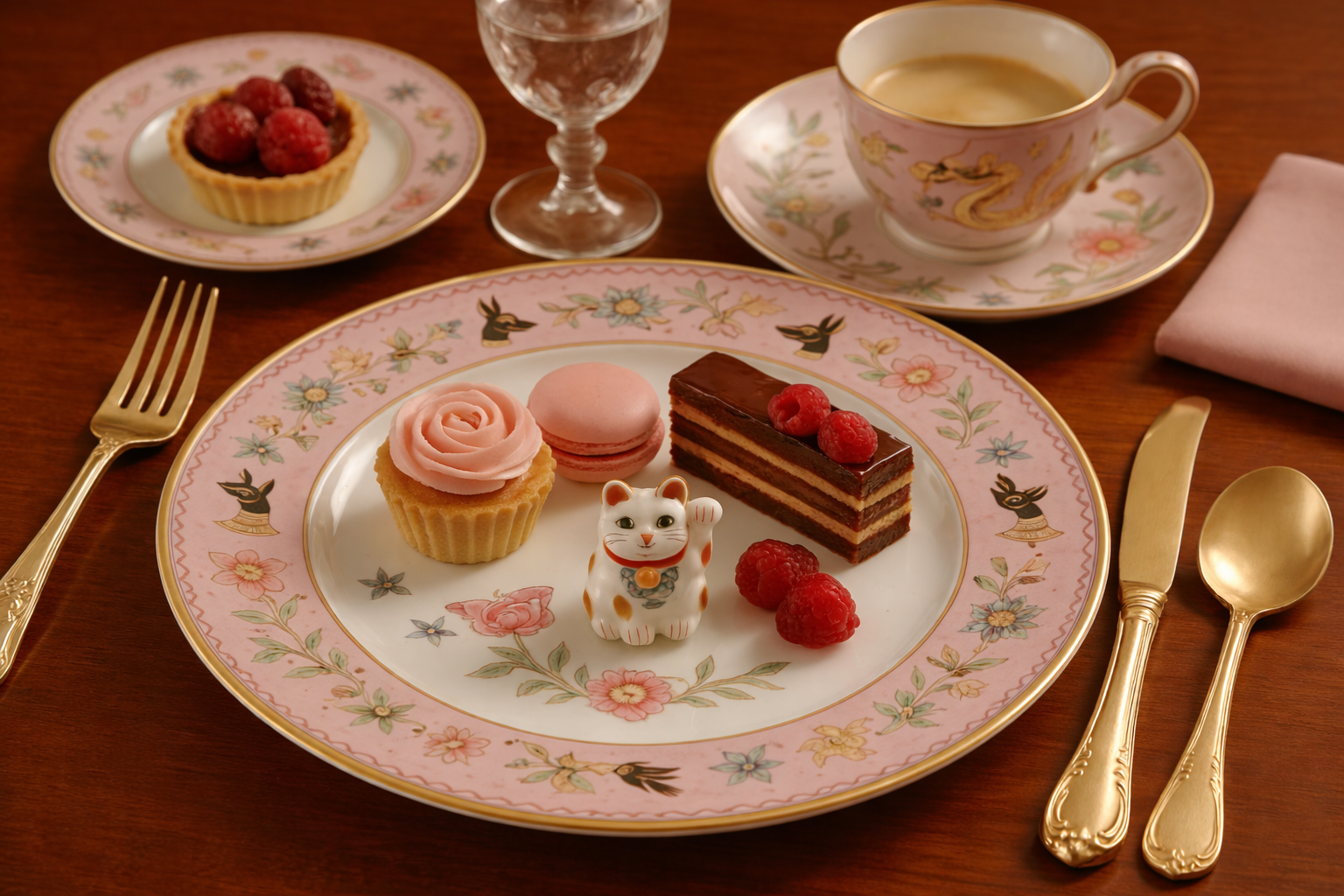
The cakes arrived still warm.
This would not have been remarkable, except that I had ordered nothing, and the room had not yet decided which century it preferred. The fire was laid but unlit. The lamps wore their yellow glow like borrowed jewelry. Outside the tall windows, dusk lingered in a shade I have only ever seen in photographs hand-tinted by someone with opinions.
The knock did not come.
The tray was simply present — poised on the low table between the sofa and the portrait of the woman who has lately taken to looking amused.
A Guest’s Observation
I did not intend to stay long enough to notice patterns.
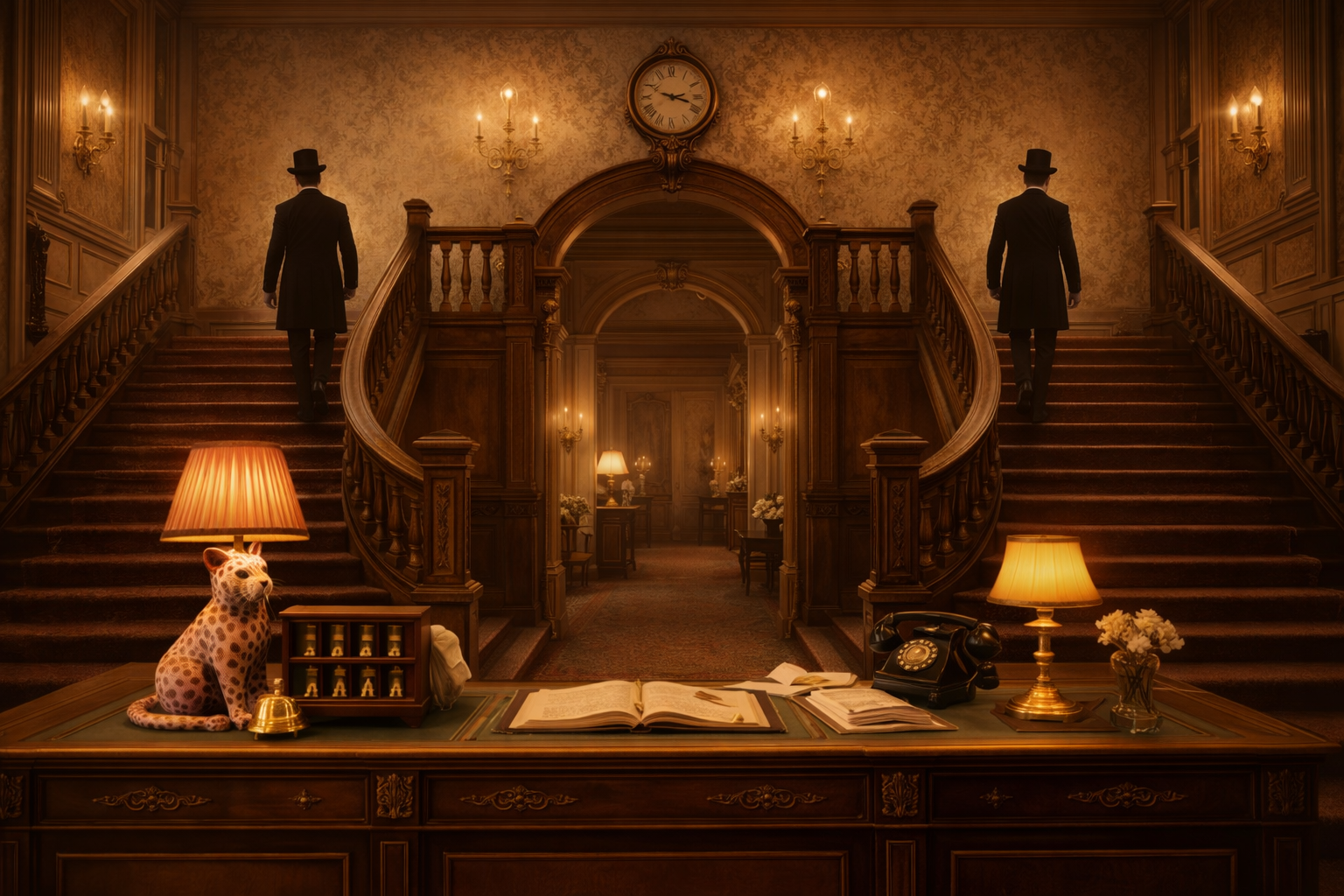
While the Hotel itself is charmingly peculiar: there are eccentricities and anomaly’s one cannot help but note. Synchronized clocks that disagree with one another, corridors that feel longer in recollection than in stride, a guestbook with no ink. It was only after several quiet mornings in the lobby that the irregularities began to cohere into something deliberate.
The Room Started Out Blue
The room had been blue the first time.
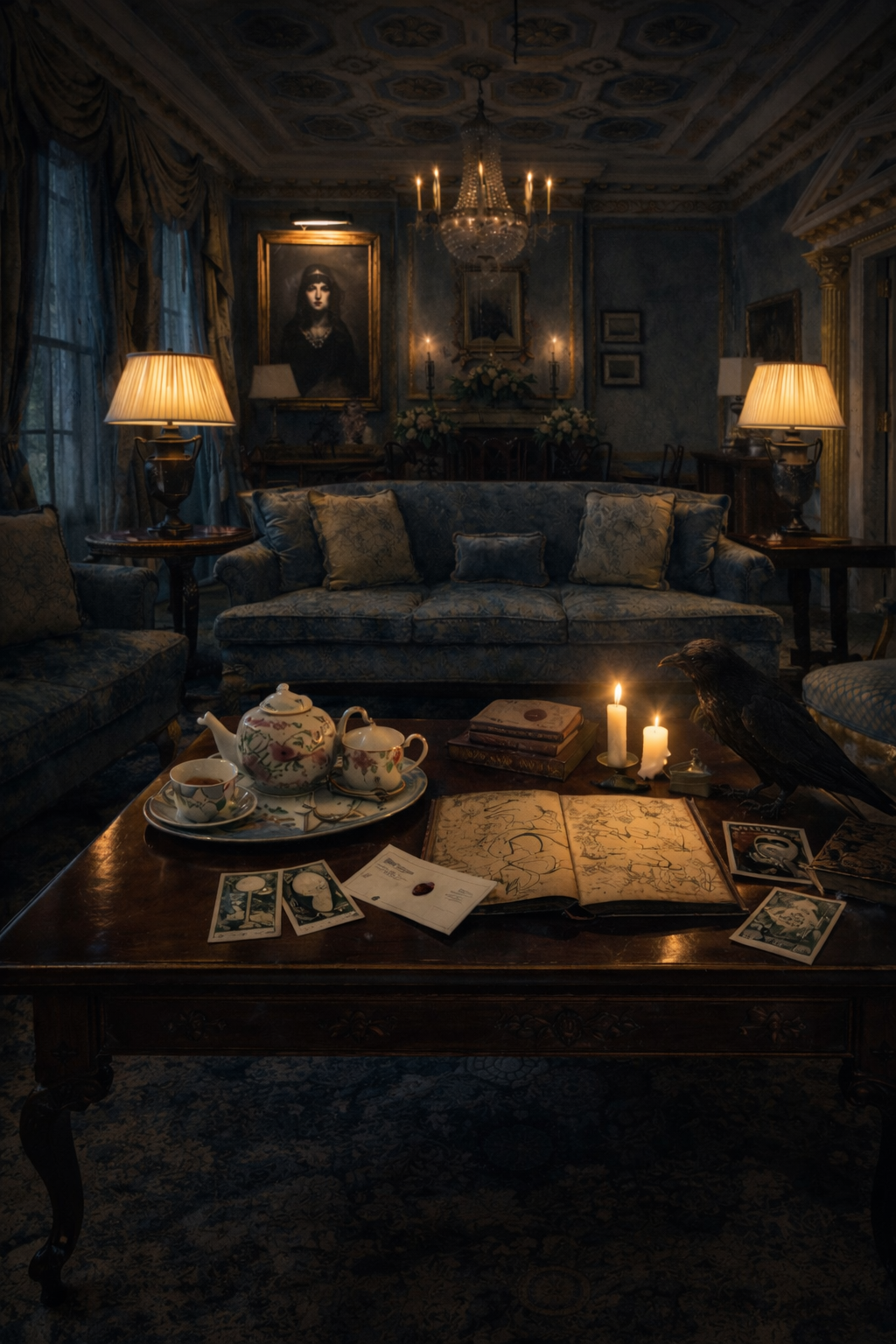
Not just blue in the way of paint or fabric, but blue in temperament. The air decided to withdraw into itself. Maybe it held its breath. Or it was just listening, assessing. The lamps were patience, like old sentries. I remember thinking the chandelier seemed lower than it ought to be, until I looked at it directly.
The tea was always poured, at the temperature I preferred.
No host’s touch could be discerned. It was just a porcelain pot with roses climbing its sides, a cup positioned precisely where my hand would fall if I admitted to being expected.
I had not made a reservation this time.
What Is Known of the Benefactors
The family is rarely spoken of directly.
Not because they are secretive, exactly, but because naming them alters the atmosphere of a room. Conversations slow. Lamps dim themselves. Even the Hotel seems to listen more closely when their presence is acknowledged for too long.
They are not guests.
They never were.
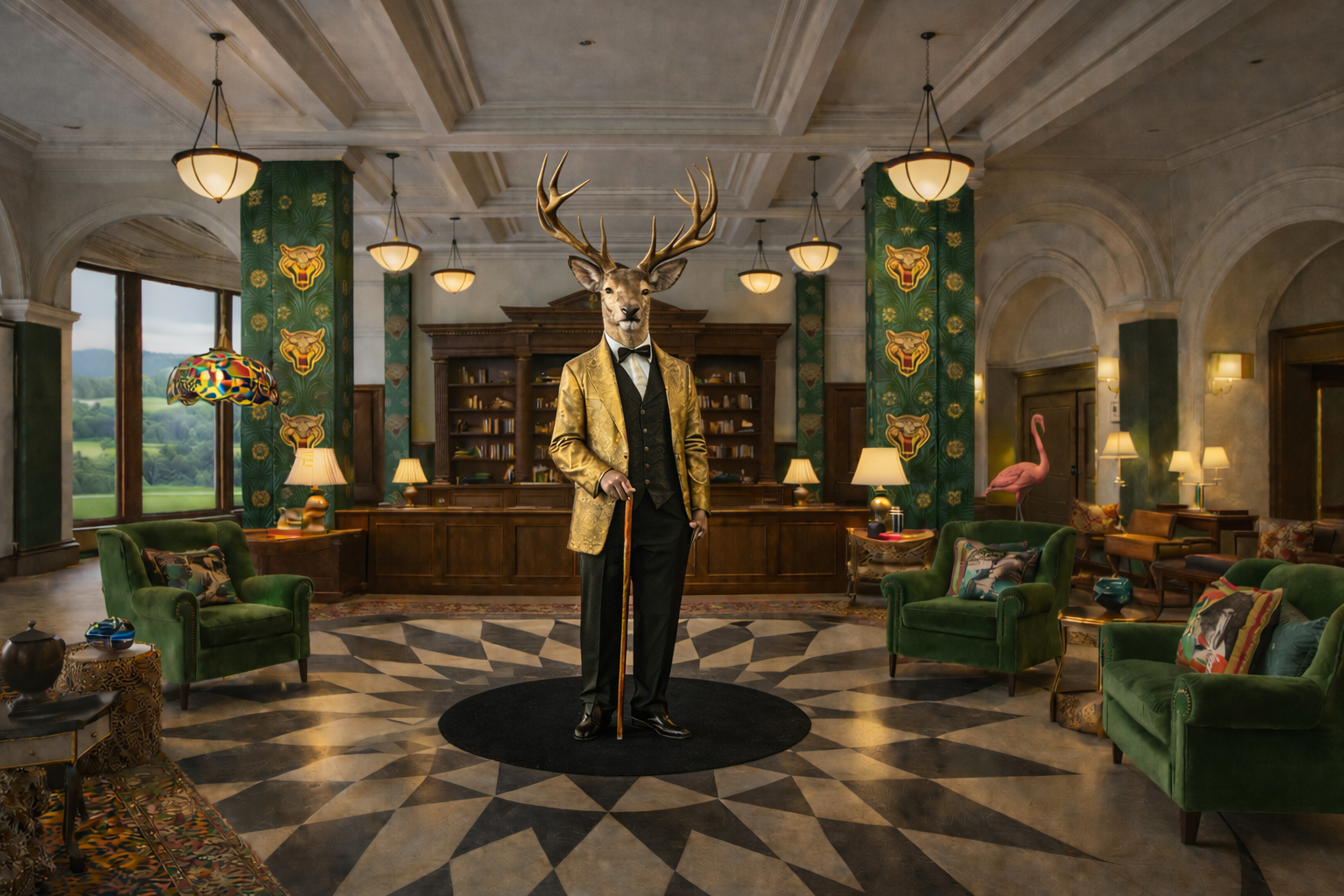
An Invitation, Left Open
The Housekeeping Hotel does not advertise.
There is no sign on the path announcing its presence, no grand opening preserved in any archives. And yet, those who arrive tend to do so with a faint sense of recognition, as if they have been here before — or were always meant to be.
The lobby is where most travellers materialize.
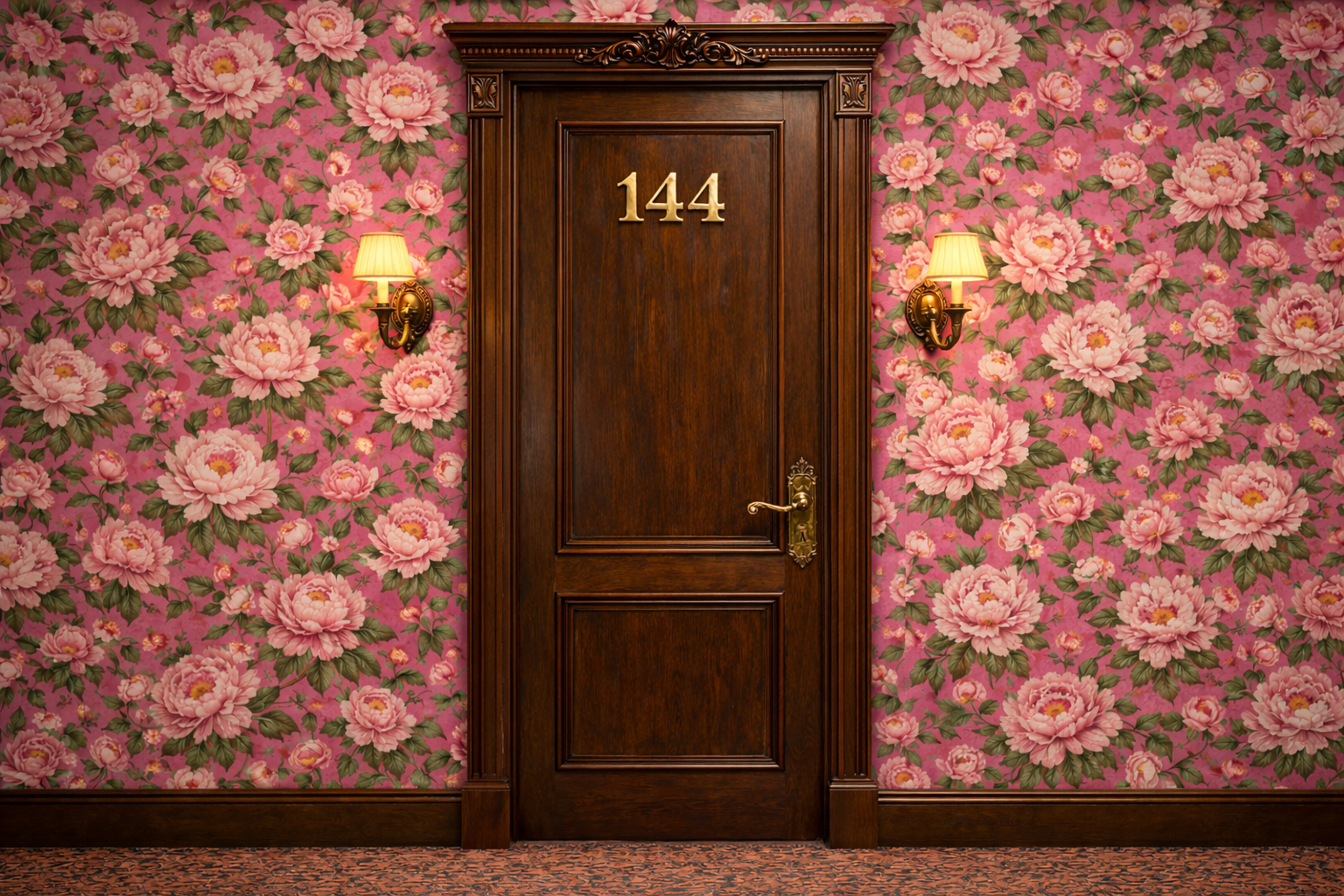
A Time Displaced Hotel
No one seems to agree on when the Hotel was built, though this is rarely discussed aloud.
Yesterday afternoon, a woman in mourning black asked if the electric lights were new. She spoke carefully, as if the word electric itself was experimental. At nearly the same moment, a man in a velvet suit—cut narrow at the waist, confident in the way only the 1950s ever seemed to manage, complained that the lift music was out of fashion. Neither appeared surprised by the other.
The desk has learned not to ask when guests have come from. It is enough to simply note the arrival.
Some check in carrying trunks with brass corners worn smooth by hands long gone. Others travel light, pockets full of objects that have not yet earned names. They queue politely. They wait their turn. Time, whatever it is elsewhere, behaves itself here.
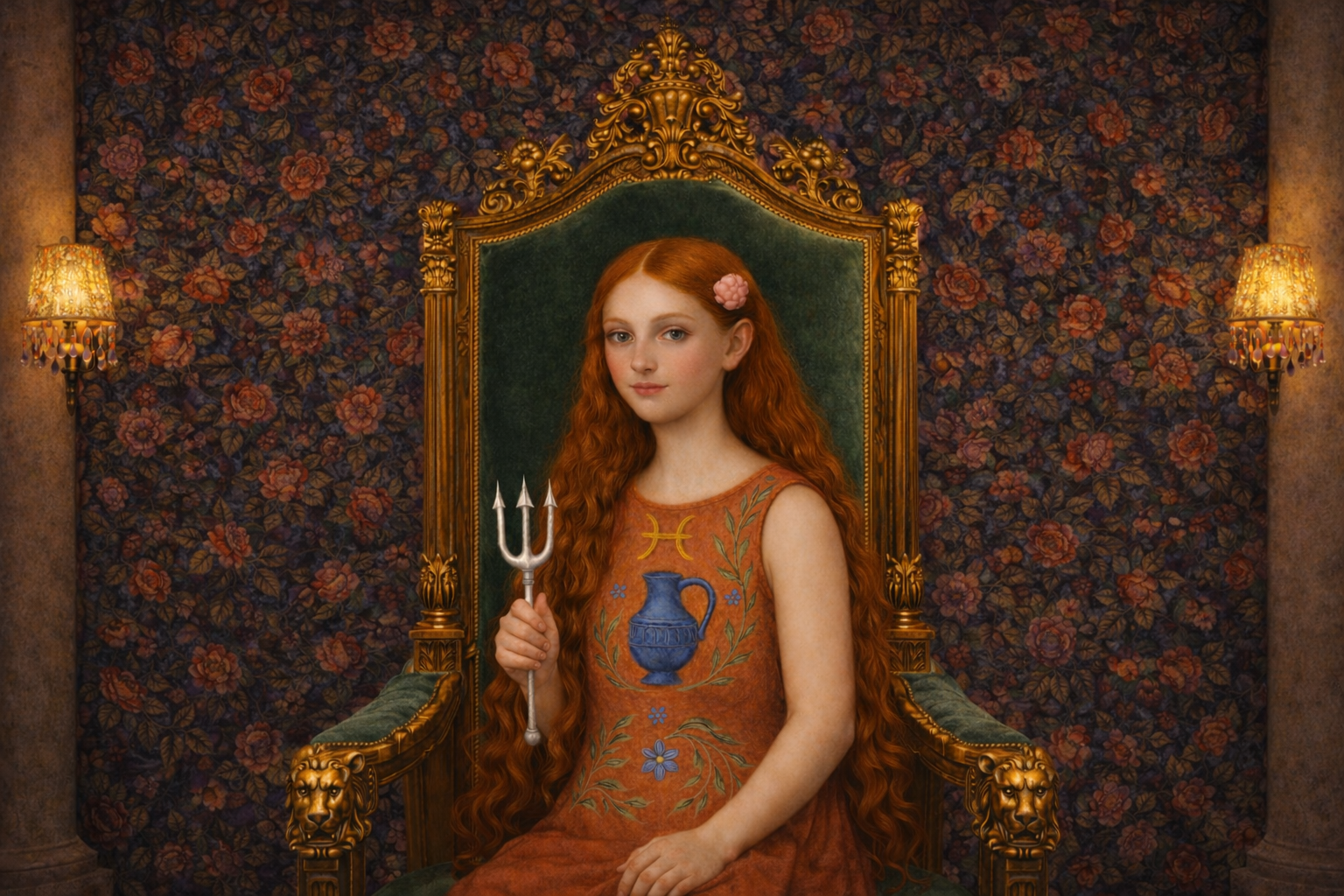
Who Sits Here, Tonight
Keeper of the Vessel
There is a chair in the observatory that does not belong to anyone for long.
It is heavier than the others. Older.
Its position shifts subtly throughout the year — never dragged, never adjusted by staff — simply found facing a different direction when the room is opened in the morning.
Those who notice it tend not to ask why.
On the day in question, the chair had turned slightly toward the open dome, as though something beyond had caught its attention first.
She arrived without announcement and took the seat.
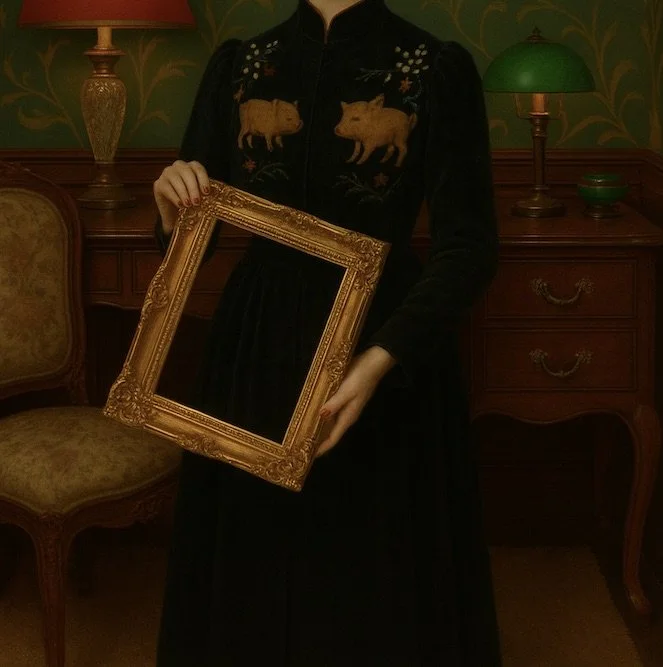
An Entry Noted Without Commentary
Portraits are expected to remain consistent.
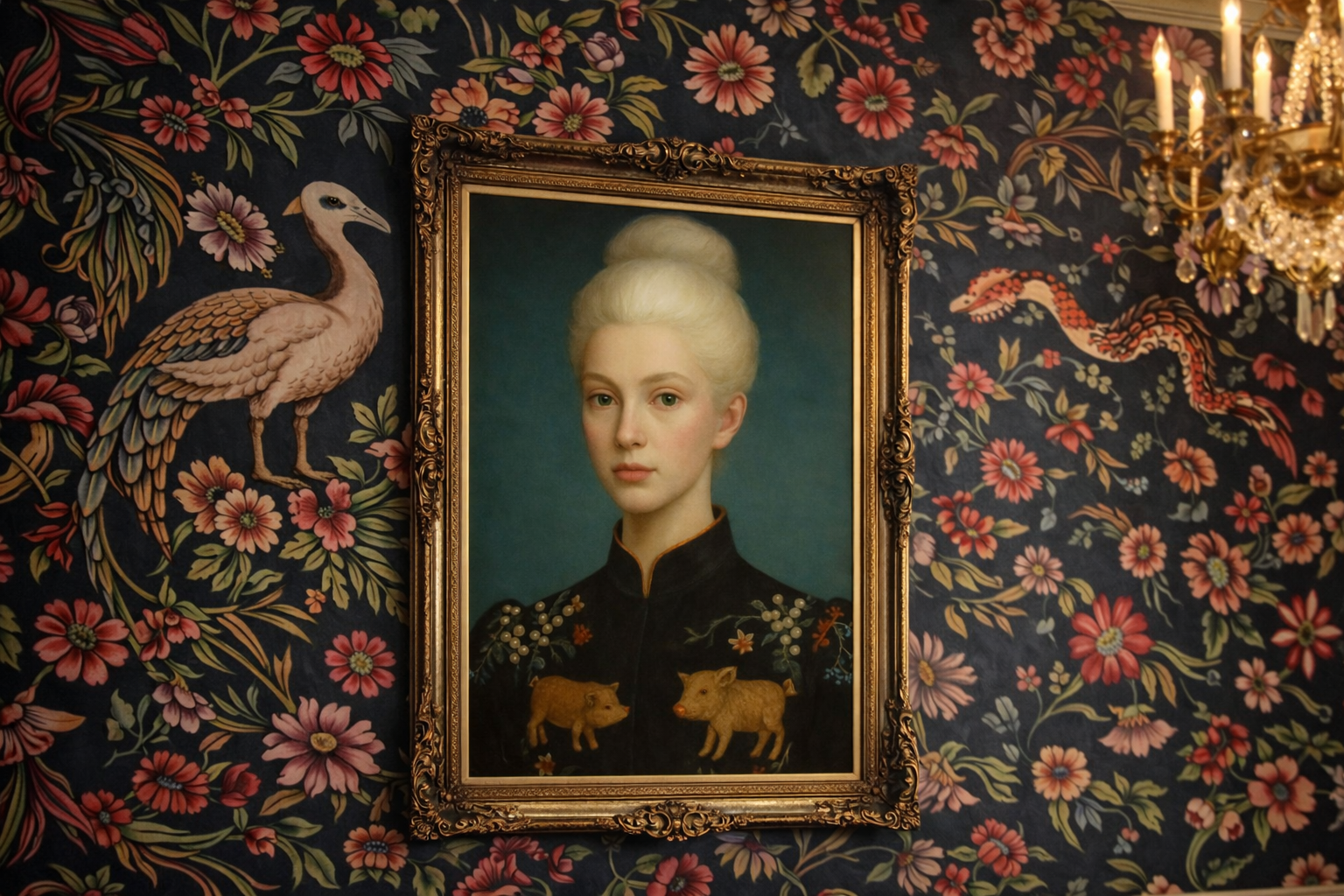
This is not a rule so much as an assumption — that a likeness, once completed, will continue to resemble itself. Variations in light are anticipated. Dust is accounted for. Frames are adjusted as needed.
Expressions, however, are not meant to shift.
The first notice was dismissed as fatigue. The second as a trick of reflection. A third was recorded only because it occurred under conditions that made such errors unlikely: midday light, two witnesses, and a portrait that had been cleaned less than an hour prior.
The change was subtle.